
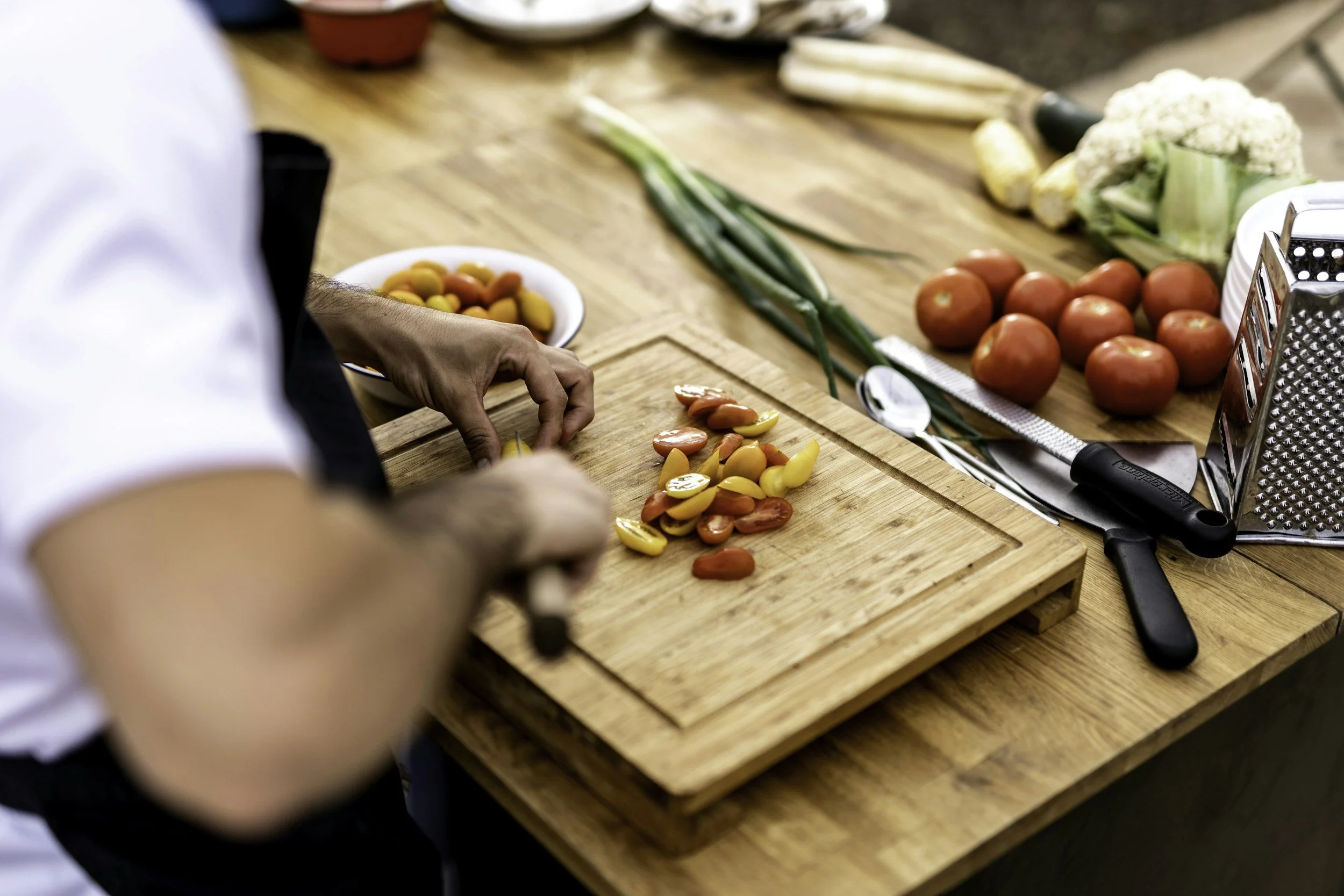
Homeschool Courses
Real ingredients. Real skills. Real learning. Artisanal Academy's homeschool courses turn the kitchen into a classroom — where knife skills sit right next to geography, and a batch of biscuits becomes a lesson in chemistry. Designed for homeschool families, co-ops, and learning pods, every class ties hands-on cooking to the subjects you're already covering: history, culture, science, and math.
Youth Culinary Course
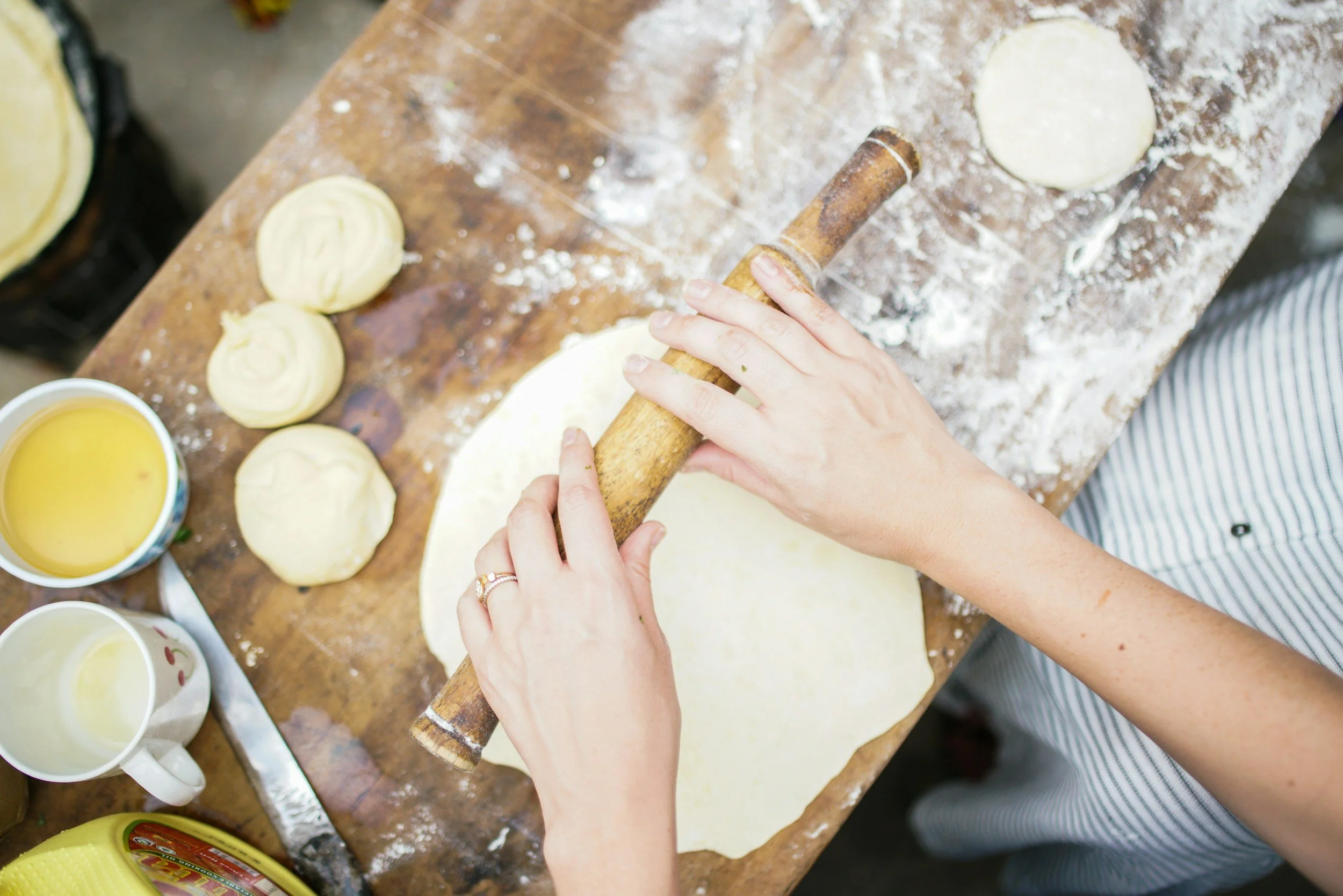
This is where kids build the foundation: real knife skills (age-appropriate tools and technique), kitchen safety, measuring and following a recipe, and the confidence to try new foods.
Kids leave each session having made something they're proud of, learned a fact about where it comes from, and practiced a skill they'll use for life.
What youth will learn:
Kitchen safety and beginner knife skills
Measuring, reading a recipe, and following multi-step directions
Basic food science concepts (why dough rises, why butter creams, why heat changes food)
Trying new foods and building an adventurous palate
Teamwork and kitchen etiquette in a group cooking setting
Class details:
Ages 8–12
Format Weekly in-person sessions
Group size 15 students
Credit Pairs well as an elective or unit study supplement
Materials Recipe packet, activity/worksheet pages, and ingredient list provided each unit
Teen Culinary Course
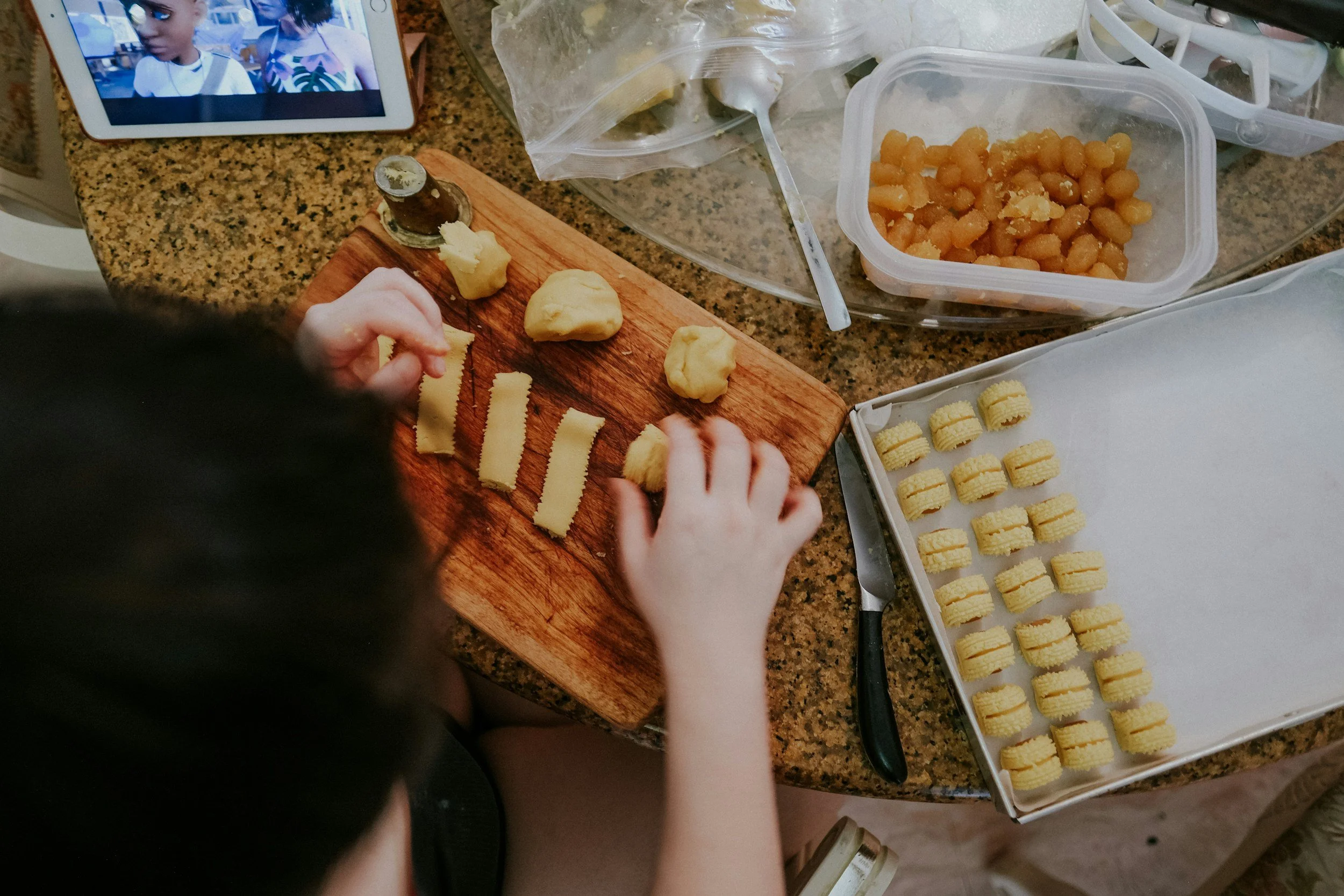
Teens are ready to move past "helping in the kitchen" and into real culinary competence. This class treats them like the capable young cooks they are — building toward independence, precision, and confidence at the stove.
Students work through progressively challenging techniques: knife skills, sauce building, protein cookery, baking fundamentals, and menu planning.
By the end of the course, teens can plan, shop for, and execute a full meal independently — a genuine life skill alongside the academic credit.
What teens will learn:
Advanced knife skills and kitchen safety/sanitation standards
Building flavor: sauces, seasoning, and technique-driven cooking (not just recipe-following)
Meal planning, budgeting, and grocery-list literacy
Cultural and historical food studies tied to each unit's region or era
Presentation and hospitality — plating, table setting, serving guests
Optional pathway framing for students interested in culinary arts, hospitality, or nutrition careers
Class details:
Ages 13–18
Format Weekly in-person session
Group size 15 students
Credit Can be documented as a Home Economics / Culinary Arts elective
Materials Recipe packet, ingredient list, and skills checklist provided each unit